
Wetland design and construciton
From hydraulic modeling to wetland design implementation
Meet your wetland compensation targets by constructing wetlands on your property or enhance the ecological value of your property with habitat creation

wetland construction from start to finish
Our process begins with a thorough understanding of your site. We complete detailed assessments of hydrology, soils, vegetation, and surrounding land use to define realistic ecological targets. Using ABWRET-A wetland valuation assessments, we develop concept plans that target specific ecological functions to reach your project goals. Construction ready drawings, onsite support, and maintenance/ monitoring requirements are also scoped.
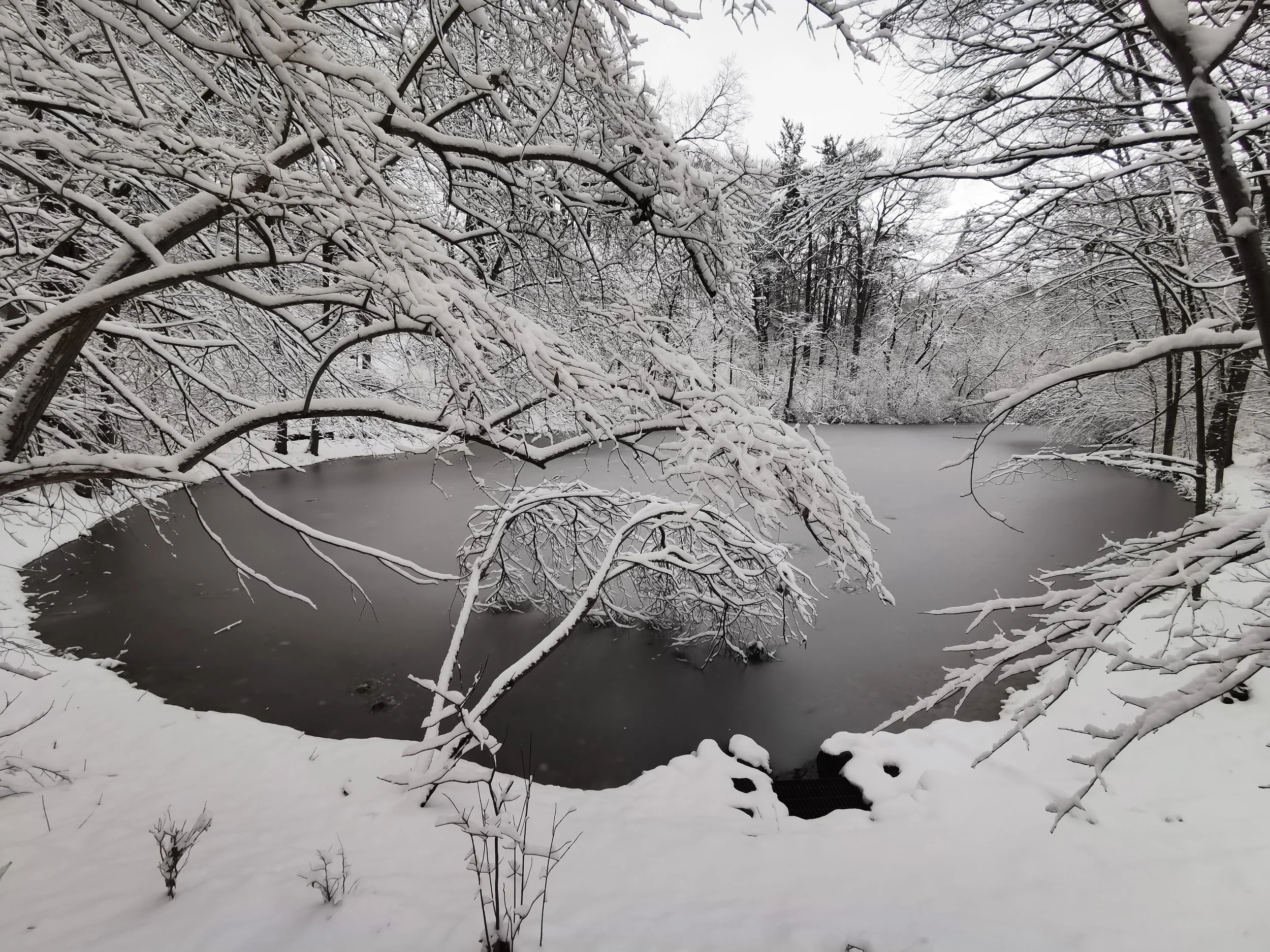
Hydraulic modeling, design, permitting
LiDAR imagery and computer modeling establishes the hydraulic conditions that will dictate optimal wetland size and permanency. From there our team of wetland specialists can design a wetland habitat that is appropriate for the hydrological regime that governs the project site. Species assemblages will reflect the water holding capacity of the wetland based on short and term water cycles. Once project plans are finalized wetland permitting (if needed) can be undertaken at the municipal and provincial levels.
Our Approach to Wetland Design & Construction
Data Collection
We start by reviewing aerial imagery, historical imagery, government databases, LiDAR, and conduct wetland assessments.
Design and Permitting
Using computer models we assess the hydraulic conditions of the area. This will influence wetland basin design and vegetation composition. Once approvals are in place we are ready to construct.
Construction & monitoring
We provide onsite support for the entire construction process. Ethos can provide logistical support or handle planting of wetland plugs. Following construction we can monitor the wetland until it is self sustaining system.
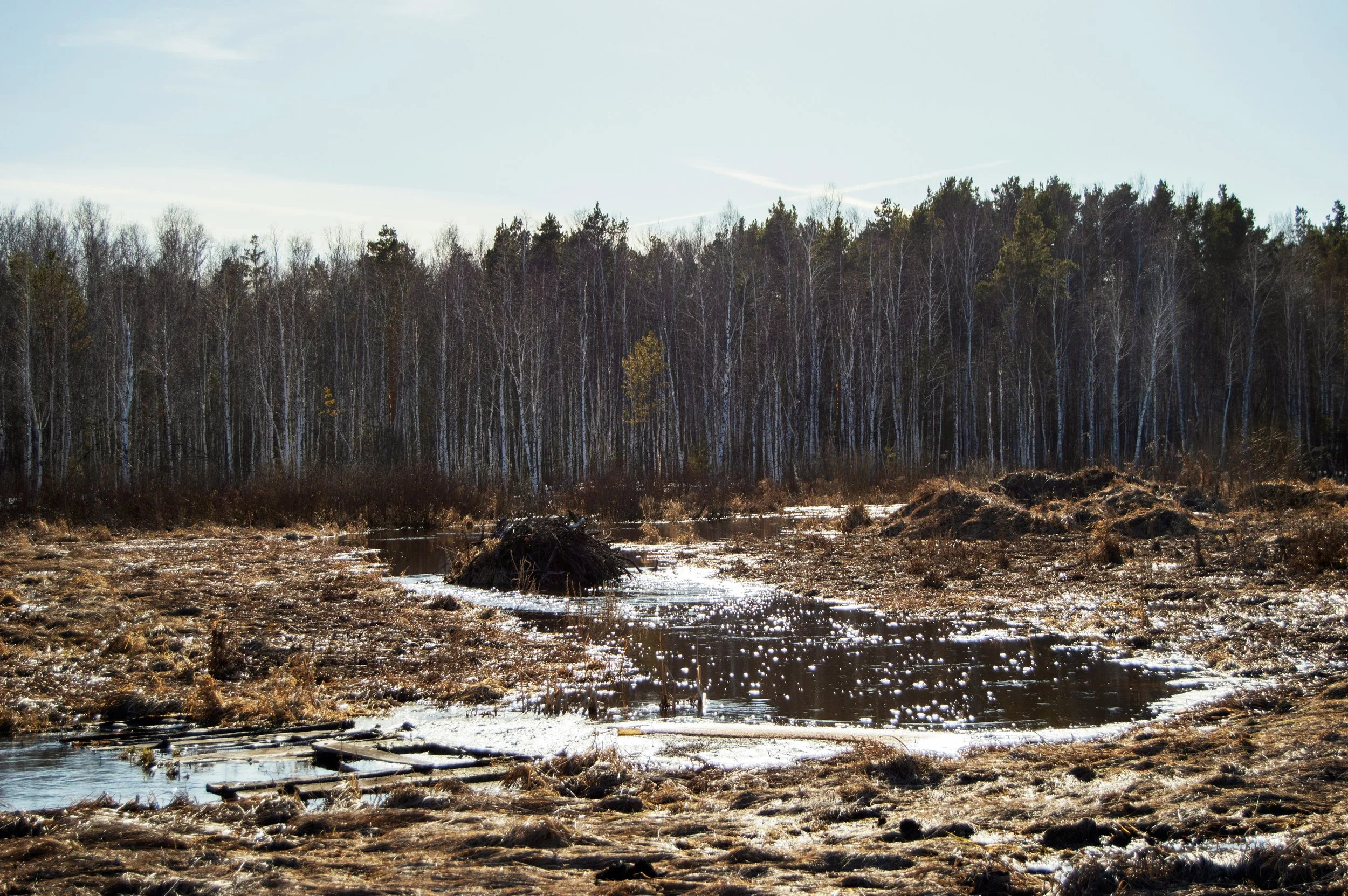
Construction and monitoring
Ethos can handle all aspects of construction or play an oversight role. Earthworks are carefully monitored to ensure appropriate grades, microtopography, and water depths—critical factors in long-term wetland performance. We design and install water control structures where needed to manage flows and maintain target water levels. Where existing invasive vegetation must be managed, we apply best management practices to promote establishment of planted species.
Our work doesn’t end at construction. We provide multi-year maintenance, monitoring, and adaptive management to ensure the wetland trajectory will align with initial ecological goals. This includes tracking hydrology, vegetation development, and overall ecological function, with adjustments made as needed to remain in compliance with conditional approvals.
Past projects
-
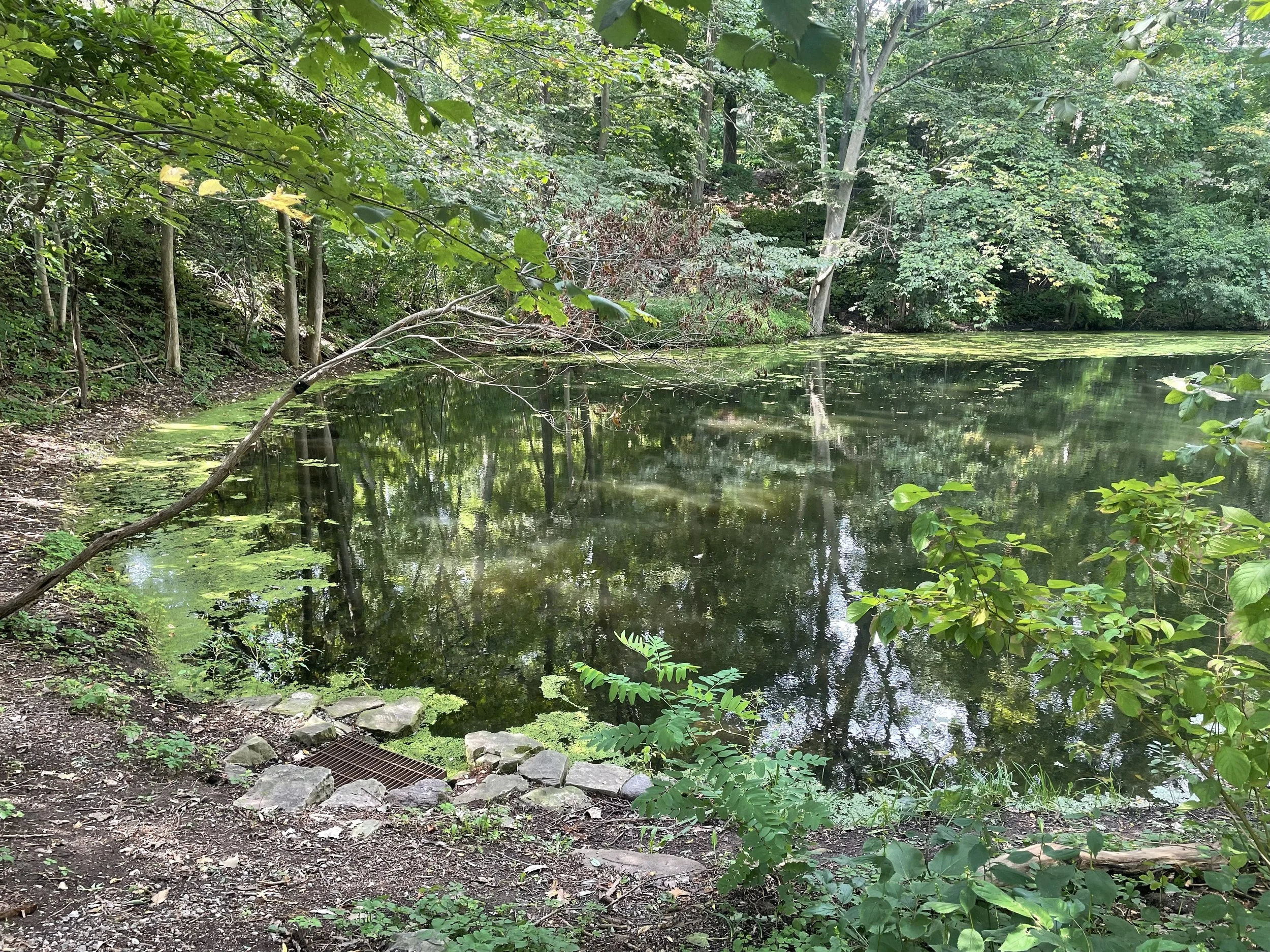
Wychwood Park Pond
Ameliorating a eutrophied pond in central Toronto (2026).
-
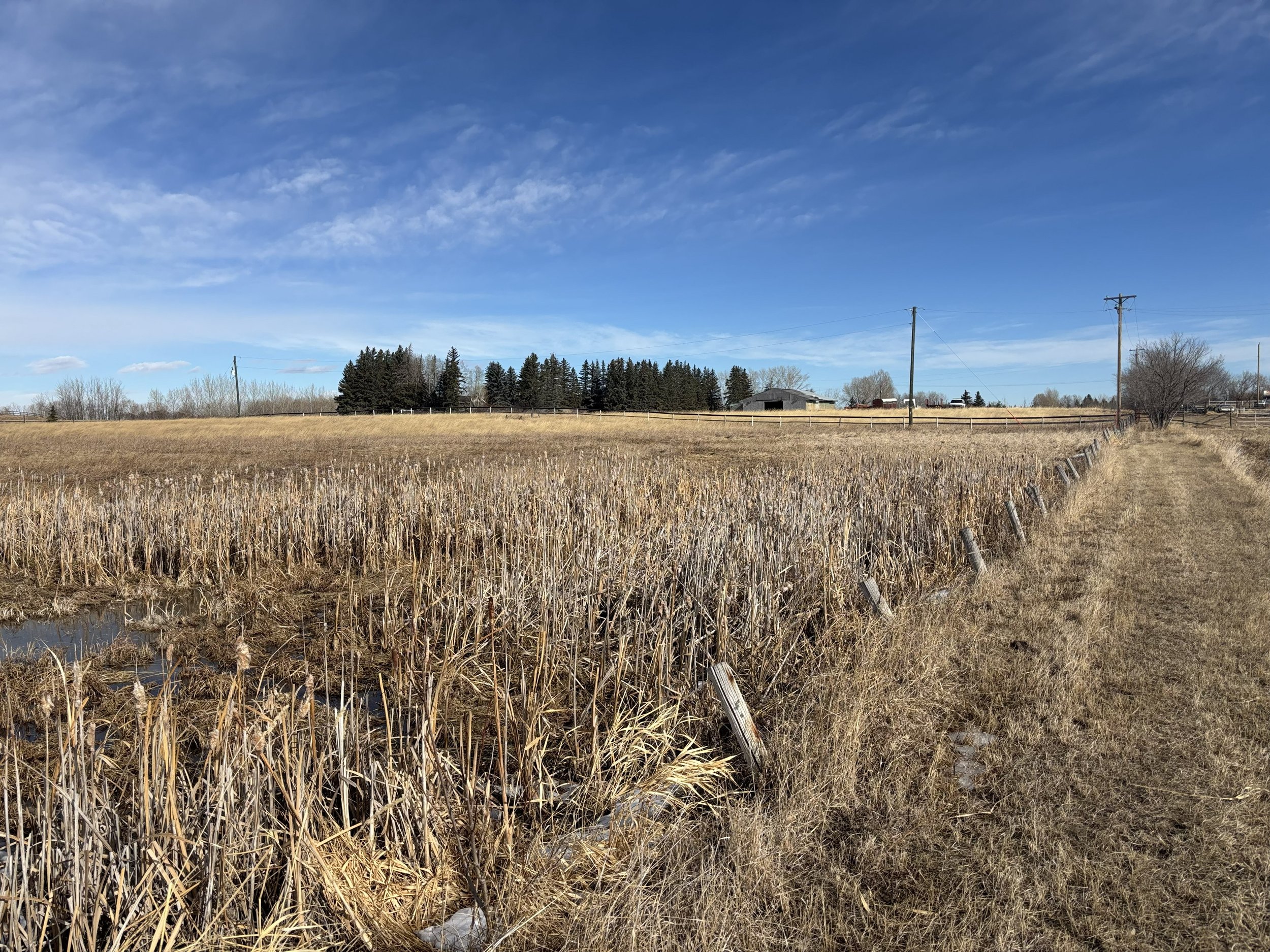
Permanent Open Water Wetland Construction
Consolidation of a large seasonal wetland into a smaller permanent open water system in southeast Calgary (2026).
-

Wetland Non-Compliance Offset
Constructed a seasonal wetland to address a Water Act non-compliance case (2026).
Who We Work With
Our wetland services support a range of clients and projects, including:
Developers and landowners considering property enhancements or addressing wetland compliance
Municipalities managing wetlands t in their jurisdiction
Energy and infrastructure projects seeking wetland reclamation
Restoration and conservation organizations with wetland restoration objectives
Governments seeking increased environmental stewardship and critical habitat retention
We tailor every project to match your site conditions, timeline, and environmental goals.
FAQs About Wetland Design and construction
-
Wetland design and construction involves planning, engineering, and building wetlands to achieve specific goals such as habitat restoration, stormwater management, or regulatory compensation. It includes site assessment, hydrologic design, earthworks, planting, and long-term monitoring.
-
Developers may need wetlands to meet regulatory requirements, offset impacts to natural wetlands, manage stormwater, or enhance environmental value on a site. Properly designed wetlands can also improve water quality and reduce downstream infrastructure costs.
-
It is a method for evaluating the ecological benefits of a wetland. It also enables regulators to value the wetland so compensation requirements can be set.
-
Wetlands provide critical services such as water purification, flood control, carbon storage, and habitat for diverse species, including amphibians, birds, and aquatic wildlife.
-
Costs vary widely depending on site conditions, size, and complexity. Typical projects can range from tens of thousands to several hundred thousand dollars per hectare. Key cost drivers include earthworks, water control structures, planting, and long-term monitoring. Wetland construction can be used to offset the costs associated with wetland destruction that may have occurred during other phases of your project.
-
The full process can take several months to over a year. Planning, permitting, and design may take 3–12 months, while construction is often completed within one construction season. Monitoring and adaptive management typically continue for 3–5 years.
Contact Us
Interested in working together? Fill out some info and we will be in touch shortly.
