
Wildlife Survey
Wildlife Surveys
Wildlife surveys help provide a better understanding of species’ distribution, population estimates, and habitat requirements for sensitive species. Wildlife surveys may be required for specific approval conditions and have procedures detailed in the Sensitive Species Inventory Guidelines.

What is a Wildlife Survey?
Wildlife surveys are species specific assessments of usage for a given area(s). They often include special equipment set up to collect data autonomously or require an observer to be on site during dawn, dusk, or overnight. These surveys are designed to detect sensitive species, including species at risk, provincially listed species, and other wildlife identified as priorities for conservation or regulatory consideration. The primary objective is to determine whether these species or their critical habitats may be affected by proposed land use or development activities.
-
Where large projects might impact the presence of SAR or Sensitive species, regulators often require a formal wildlife survey for the species of concern to determine its usage of the project area.
-
Nothing slows a project like discovering an active nest or den after construction is already underway. Planning a wildlife sweep with qualified environmental consultants in Alberta means potential issues are spotted early, helping you avoid bottlenecks in the middle of the project and keeping your schedule on track.
-
A wildlife sweep goes beyond meeting regulations. It reflects your dedication to protecting biodiversity and acting responsibly. By working with an experienced environmental consulting company, you help safeguard Alberta’s wildlife while ensuring your project moves forward in a way that supports long-term sustainability.
-
Canada is home to a number of species at risk, and Alberta has its share of vulnerable wildlife that requires careful protection. As part of our environmental consulting services, specialists assess each site for signs of endangered species such as certain birds, amphibians, or mammals. Identifying them early allows projects to adapt responsibly while ensuring your project complies with both Canada’s environmental regulations.
-
Invasive plants and animals are a growing concern across Canada, including in Alberta’s ecosystems. These species can outcompete native wildlife, damage habitats, and create long-term challenges for land management. Our surveys include detailed invasive species checks, helping you detect and address these risks before they spread, protecting both your project and Canada’s biodiversity.
How Important is a Wildlife survey?
Wildlife Regulatory Compliance in Canada
Wildlife surveys help ensure your project follows all relevant Canadian wildlife laws. Some of the key regulations include:
Alberta Wildlife Act: Protects wildlife, nests, and dens in Alberta, ensuring development does not harm local species.
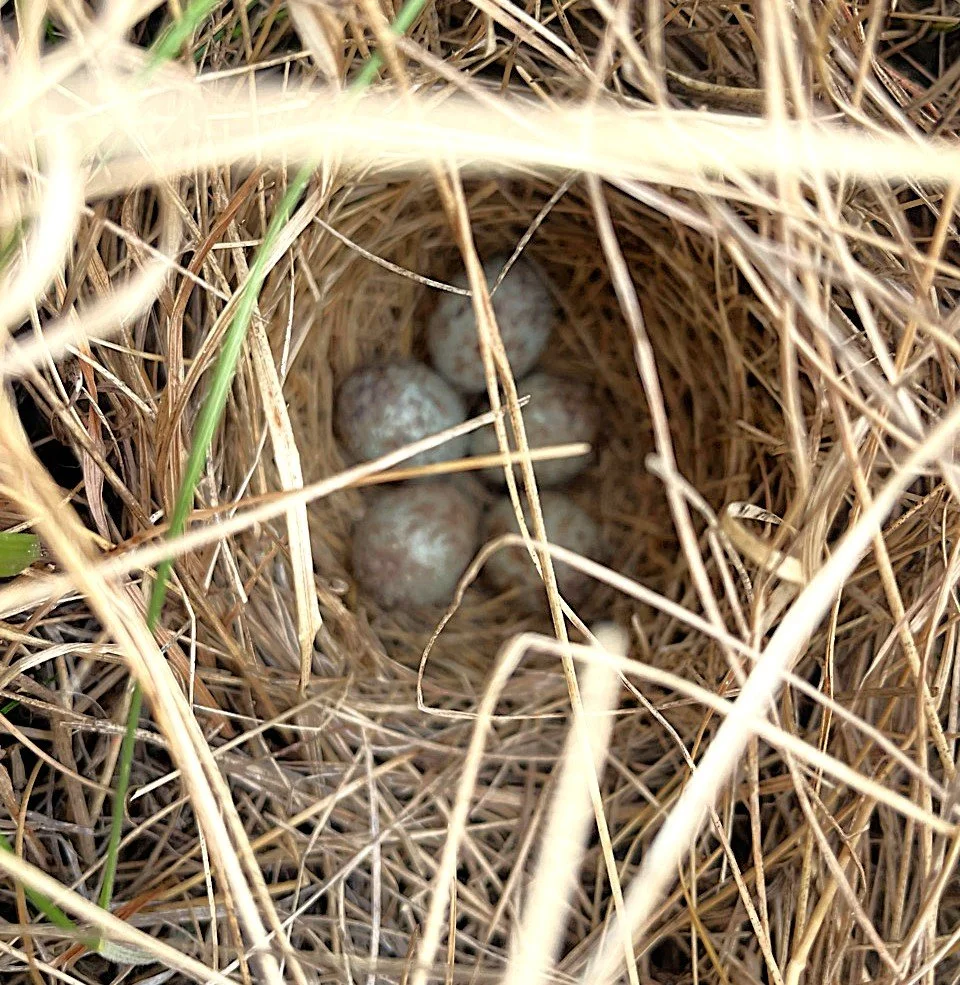
Migratory Birds Convention Act (MBCA): A federal law safeguarding all migratory birds, their nests, and eggs across the country. Active nests cannot be disturbed during construction.
Species at Risk Act (SARA): Federal legislation protecting endangered or threatened species and their habitats. Surveys help identify the species at risk of extinction and guide mitigation measures.
Fisheries Act: Protects fish and fish habitats, which may overlap with wildlife areas near rivers, wetlands, or other water bodies.
Sensitive Species Inventory Guidelines: Protocols followed during surveys to ensure species at risk are accurately documented and protected.
Past projects
-

Resonance Energy Wellsite Permitting
Resonance Energy Burrowing Owl and Sharp-tailed Grouse Surveys, Killam, AB (2025)
-

City of Calgary, Nose Hill Spill Restoration
City of Calgary, Nose Hill Spill Restoration Wildlife Sweeps, Nose Hill Park (2025)
-

Leaf Ninjas, Jim Uffelmann Riparian
Leaf Ninjas, Jim Uffelmann Riparian Restoration, Cochrane, AB - Jim Uffelmann Park (2025)

Who We Work With
Our wildlife services support a range of clients and projects, including:
Developers and landowners considering new developments
Municipalities managing development in their jurisdiction
Energy and infrastructure projects prior to site clearing
Restoration and conservation organizations with habitat objectives
Any individual or organization seeking to understand habitat usage of their local natural areas
We tailor every project to match your site conditions, timeline, and environmental goals.
Understanding Wildlife Surveys, Sweeps, and Monitoring

Wildlife Surveys
Wildlife surveys help provide a better understanding of species’ distribution, population estimates, and habitat requirements for sensitive species. These may be required for specific approval conditions and have procedures detailed in the Sensitive Species Inventory Guidelines.
For example, if a developer is considering a new subdivision, a wildlife survey might reveal the presence of owls, amphibians, bears, birds, or deer habitats across the site. Knowing this in advance allows adjustments to project plans so sensitive areas are avoided or mitigation strategies can be integrated from the start.

Wildlife Monitoring
Monitoring takes place once construction or development is underway. It involves ongoing observation to ensure wildlife isn’t harmed and that any mitigation measures are actually working.
For example, during road construction, environmental consultants may be on-site daily to make sure migratory birds aren’t trying to nest in active work areas, or to relocate amphibians safely away from equipment. Monitoring provides an extra layer of protection for the wildlife and for projects to move forward responsibly.

Wildlife Sweeps
Sweeps are more focused and happen right before construction begins. They include a 100-metre buffer around your project site, and the goal is to confirm whether wildlife is actively using the site at that moment, such as nesting birds, burrowing mammals, or dens.
For instance, before clearing land for a pipeline, wildlife biologists will complete a sweep to make sure there are no active nests or dens that could be harmed by the work. If something is found, the project can be adjusted or delayed until it is safe to continue, avoiding compliance issues and protecting local wildlife.
What Our Wildlife surveys Include?
Project Plan
The wildlife survey design is informed by the Sensitive Species Inventory Guidelines and often conducted under a research permit by the applicable regulator
Survey
The wildlife survey may involve special equipment (e.g. audio recorder) or late nights/ early mornings on site when species usage is highest.
Clear Reporting
After the survey, you will receive a wildlife survey report on what was found and what steps are needed so your project can move forward responsibly.
-
While both are part of environmental consulting services, a wildlife survey is a broader, early-stage assessment that maps species and habitats across a site, providing a comprehensive overview for planning and design. A wildlife sweep, on the other hand, is a targeted check conducted immediately before construction begins to ensure no wildlife is actively present and that work can proceed safely.
-
A wildlife survey is triggered during the application review stage for a project or can be done preemptively. Projects with high levels of disturbance in the ranges of Sensitive species often trigger survey requirements.
-
Only qualified biologists and experienced environmental consultants should perform wildlife surveys (experience with that species is also required). These professionals have the knowledge to accurately identify species, assess potential risks, and provide guidance on compliance with environmental laws.
-
After completing a survey, the team provides a detailed wildlife survey report. This document outlines all findings, including any active nests, burrows, or at-risk species, and provides recommended mitigation measures. Uploading survey results to provincial databases is often required by permit conditions.
-
If the survey identifies a nest, den, or mineral lick, construction activities may need to be delayed or modified to prevent harm to the animals. We provide clear recommendations for mitigating impacts, ensuring your project remains compliant with federal regulations while protecting local wildlife.
-
The Sensitive Species Inventory Guidelines are federal and provincial protocols that outline how to survey, document, and protect species at risk during development projects. Following these guidelines ensures your project meets legal requirements while safeguarding vulnerable wildlife.
FAQs About Wildlife Surveys
Contact Us
Interested in working together? Fill out some info and we will be in touch shortly.
